
Recently, we have seen a deluge of management plan reversals from the current federal administration across Alaska, especially in the Western Arctic. Additionally, projects are being fast-tracked, with short comment periods, and agencies denying requests for comment period extensions.
In 2025, we awarded Sovereign Iñupiat for a Living Arctic (SILA) a $9,500 Rapid Response grant in support of their concerns related to the proposed Colville Delta 8 (CD8) oil project.
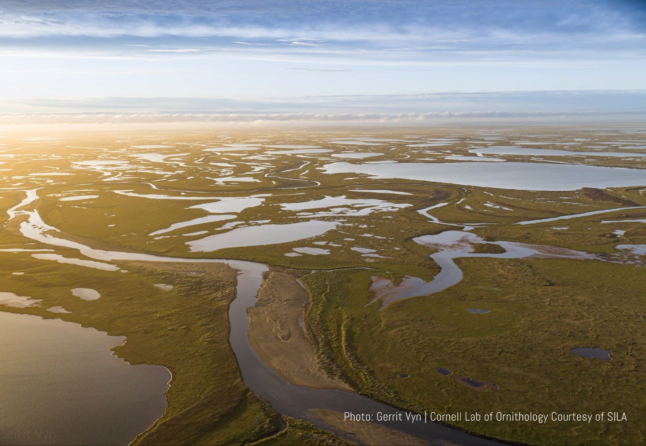
Founded and led by Iñupiat peoples, SILA believes the health of communities and the health of the land are inseparable. Colville Delta 8 (CD8) is a proposed oil and gas project located two miles from the Iñupiat village of Nuiqsut, Alaska that puts both at risk. Nuiqsut has about 500 residents and is currently surrounded by oil and gas projects such as the massive and controversial Willow Project.
When The U.S. Army Corps of Engineers (USACE) announced a 30-day scoping comment period for the CD8 project, the first public hearing in Fairbanks was held a week later. This short notice resulted in only a few people being able to testify. Unfortunately, SILA’s written request for the comment period to be extended and for an additional hearing in Fairbanks to be held was denied.
Although SILA’s requests were denied, Alaska Conservation Foundation was able to provide a Rapid Response grant to support SILA in organizing additional testimony for the virtual and in-person Anchorage hearings. Funds also supported a rally, and a video about public opposition to CD8.
Five people testified against the project in the virtual meeting, and 15 people organized by SILA and Alaska Community Action on Toxics (ACAT) attended the Anchorage hearing, including two people whom SILA flew into Anchorage for the meeting. One Nuiqsut lifelong subsistence hunter spoke of the realities of native subsistence, “Since 2012 we have been getting sick fish, since development [around Nuiqsut began]. These man-made compounds introduced to our area were not there, until this day we have not gotten an answer on the impacts of our village.” 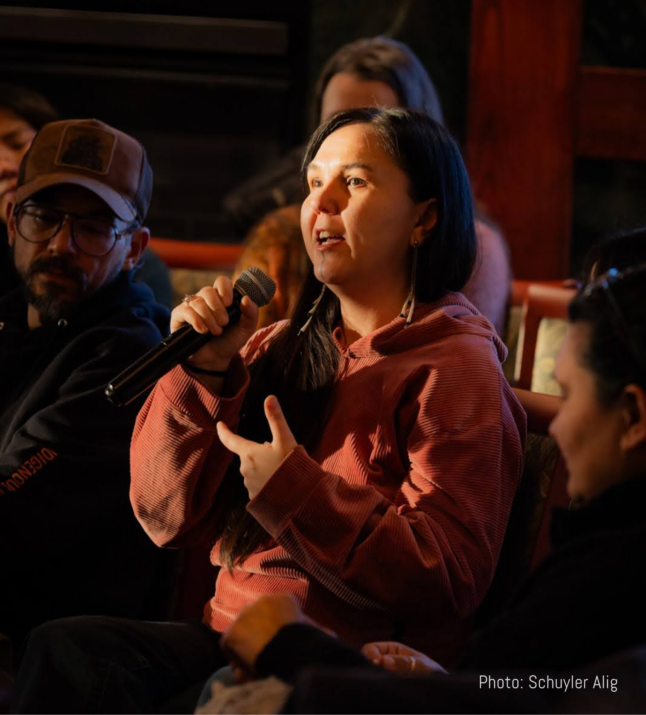
Beyond the individual testimonies that SILA’s organizing led to, they galvanized broader concerns about the development and the industry. SILA’s Executive Director, Nauri Simmonds explained, “People in Nuiqsut who have long supported and profited from the oil and gas industry are finally questioning the costs of ever expanding development. We believe the CD8 development and SILA’s rapid response organizing to the comment period are part of an inflection point among North Slope Inupiat who are reconsidering their relationship to the oil and gas industry.”
Just a few months later, in December 2025, the Trump administration’s Interior Department abruptly cancelled a landmark agreement designed to give local communities authority over protections for 1 million acres of vital caribou habitat for the 60,000-strong Teshekpuk caribou herd.
Originally signed during the Biden administration, this “Trilateral Right of Way” was designed to offset the impacts of the Willow project by granting Nuiqsut’s Tribe, city, and village corporation leaders authority over development within key habitat in the Teshekpuk Lake region—an ecologically sensitive area and critical source of traditional foods for the Iñupiat.
While a case challenging the cancellation was pending, the administration offered this acreage to the oil and gas industry anyway in a March 18, 2026 lease sale. However, just days before the sale, a federal judge granted an injunction, putting the Right of Way back in place. Ignoring this, four companies—including ExxonMobil—bid on nearly a quarter million acres of protected lands.
The good news is the Department of the Interior hasn’t issued any of the leases yet, and the court’s decision made clear that leasing or development can’t happen without permission from the Nuiqsut Trilateral. This initial court order demonstrates the power of Indigenous communities forming agreements with federal agencies to protect their homelands from rapid industrial expansion.
As for what’s next related to the CD8 project, SILA expects USACE to release a Draft Environmental Impact Statement this coming October. We have no doubt SILA will be present and prepared to comment, regardless of how long or short the comment period is.